
There are a couple of things that create an unspoken bond between all cruisers and sailors. An approaching storm is one of them. That nervous feeling of dread sits in the pit of your stomach. Your senses are heightened. You double and triple-check your boat. You are wide-eyed with ears straining for weird noises at 3 am. (The worst usually happens in pitch darkness!). Your mind is buzzing like bees in a beehive.
We are preparing for a storm approaching Saldanha Bay, about 90 minutes North of Cape Town. Wind speeds of up to 40 knots, which is nowhere near the worst we have endured!
I didn’t realise how unfit I was until I scrubbed the entire deck with a hard brush yesterday to loosen dirt! Cleared all the little holes along the deck that let the running water leave the boat; most were blocked with sand and muck. Used detergent in areas that need thorough cleaning. Dinghy up and secured, all loose objects on deck neatly stowed. A bucket with some grungy ropes and fabric softener is ready to be filled with rain, allowing the ropes to soften. Soup prepped, bread baked, galley neat and prepared….time to hunker down with Netflix and blanket
Bad weather or a storm can approach while you’re on a sailboat. Sometimes you can be caught off guard by something unpredictable that may not be on any weather forecast, (as we were in the Atlantic Ocean). It’s critical to prepare and take safety precautions to protect the crew, vessel, and gear. Here’s a thorough checklist of precautions and preparations to undertake:
⚓ 1. Check Weather Reports Constantly
- Monitor reliable marine weather sources (VHF, Navtex, apps like Windy (our favorite) or PredictWind).
- Note wind direction, speed, barometric pressure, wave height, and storm trajectory.
🧭 2. Choose the Best Course of Action
- Seek shelter: If possible, head to the nearest safe harbor, anchorage, or marina.
- If shelter is not possible, consider:
- Reducing sail and preparing to heave-to (if at all possible, we could not do that in our Atlantic storm.
- Changing course to sail away from the worst of the storm
🧰 3. Prepare the Boat
Deck and Rigging:
- Remove or lash down all loose gear on deck.
- Secure the dinghy and outboard motor.
- Check and secure hatches, ports, and cockpit lockers.
- Inspect and reinforce all rigging, sails, and hardware.
Sails:
- Take down unnecessary sails.
- Reef early – don’t wait until it’s too windy.
- Prepare storm sails (storm jib/trysail) if available.
- Consider dropping the mainsail and using only a small headsail or bare poles.
⚓ 4. Secure Below Deck
- Stow all loose items – heavy weather can toss even small objects dangerously.
- Make sure the galley equipment is secure.
- Close and dog all hatches and portholes.
🪢 5. Anchor and Mooring Prep (if staying put)
- Use multiple anchors with adequate scope (at least a 7:1 ratio).
- Set storm anchors with chafe protection on the rode.
- Double up mooring lines with chafe guards.
- Consider a Bahama moor or anchor bridle for stability.
🧑✈️ 6. Safety Gear Check
- All crew must wear lifejackets (PFDs) with tethers.
- Harnesses and jacklines should be set up and used.
- Ensure EPIRB, flares, VHF radio, and first aid kit are easily accessible.
- Charge handheld devices and test the bilge pump.
- Close all seacocks except the necessary ones.
🚨 7. Crew Preparation
- Brief the crew on emergency procedures (MOB, abandoning ship, fire, etc.).
- Assign roles: helm, navigation, lookout, sail handling.
- Keep someone always on watch.
- Rest crew members before the worst weather hits, if possible.
⚙️ 8. Engine and Navigation
- Test the engine – it might be your lifeline.
- Ensure fuel tanks are fully topped off.
- Plot potential safe havens or bailout options on your chart/GPS.
- Ensure nav lights are working and AIS (if installed) is on.
🌀 9. While in the Storm
- Slow down the boat to maintain control.
- Avoid running before large seas without control – broaching is a risk.
- Maintain regular position reports (if in a fleet or with shore contact).
- Keep crew warm, dry, and nourished.
✅ Final Tip:
It’s better to prepare early and never need all these precautions than to wait too long and scramble under pressure. A well-prepared boat and crew are your best defense.
When anchored in a bay—especially if bad weather is expected—your priority is to stay safely in position, avoid dragging, and protect your vessel and crew. Here are the essential precautions to take when at anchor:
⚓ Precautions When Anchored in a Bay
✅ 1. Choose a Safe and Protected Anchorage
- Shelter from prevailing wind and swell.
- Look for good holding ground (sand or mud is ideal; avoid areas with weeds or rocks).
- Avoid anchoring in direct line with river outflows or near reef edges.
- Keep clear of lee shores (where the wind blows toward land).
⚓ 2. Set the Anchor Properly
- Use enough scope: at least 5:1 (rope to depth), or 7:1 if stormy.
- Back down with the engine to set the anchor firmly.
- Consider using a second anchor (e.g., Bahamian moor, tandem or forked) in bad weather.
- Attach a trip line or float if anchoring in uncertain or foul ground.
🪢 3. Prepare for Changing Conditions
- Allow room to swing (360° if wind or tide shifts).
- Keep an eye on other boats nearby – you don’t all swing the same way.
- Watch the changes in tide and wind direction.
- Consider setting an anchor alarm (using GPS or an app) and a depth alarm. We love Anchor Pro.
🧰 4. Chafe Protection and Gear Checks
- Use chafe guards on the anchor rode where it touches the bow roller or chocks.
- Inspect the windlass, shackles, and rode for wear or damage.
- If using chain and rope, ensure a secure connection between them.
🌧️ 5. Prepare for Weather
- Reduce windage:
- Take down biminis, flags, and anything loose on deck.
- Secure sails, dinghy, and deck gear tightly.
- Close and dog all hatches and ports.
- Double-check anchor holding with snorkel or by diving (if safe to do so).
- Monitor weather updates frequently.
🧭 6. Keep Watch and Stay Ready
- Keep someone on board if the weather deteriorates.
- Stay alert to dragging: check landmarks, GPS, or electronic anchor watch.
- Have the engine ready to start at a moment’s notice.
- Keep a spotlight and radar reflector ready if visibility drops.
🛟 7. Safety Essentials
- Lifejackets and harnesses at hand.
- VHF radio on and tuned to the local channel.
- EPIRB accessible.
- Emergency grab bag packed (just in case you need to evacuate quickly).
✅ Bonus Tips
- Drop anchor in daylight if possible.
- Mark your anchor on a chart or GPS.
- Leave room for error: don’t anchor too close to others or to shore “
So, here we are, as prepared as we can be!
If you are in the Southern hemisphere on your boat during the winter months, take care and stay safe!
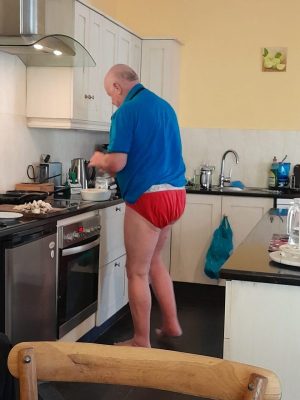
Captain Underpants and Pirate Wench.
P.S. I was asked the other day by a friend, “Why Captain Underpants?” Well, these pictures might explain. Be it cooking, doing laundry or working on the boat…….I rest my case……..


Discover more from http://www.sailingandsunshine.com
Subscribe to get the latest posts sent to your email.
 www.sailingandsunshine.com
Stay safe out there!
LikeLike
Thank you!
LikeLike