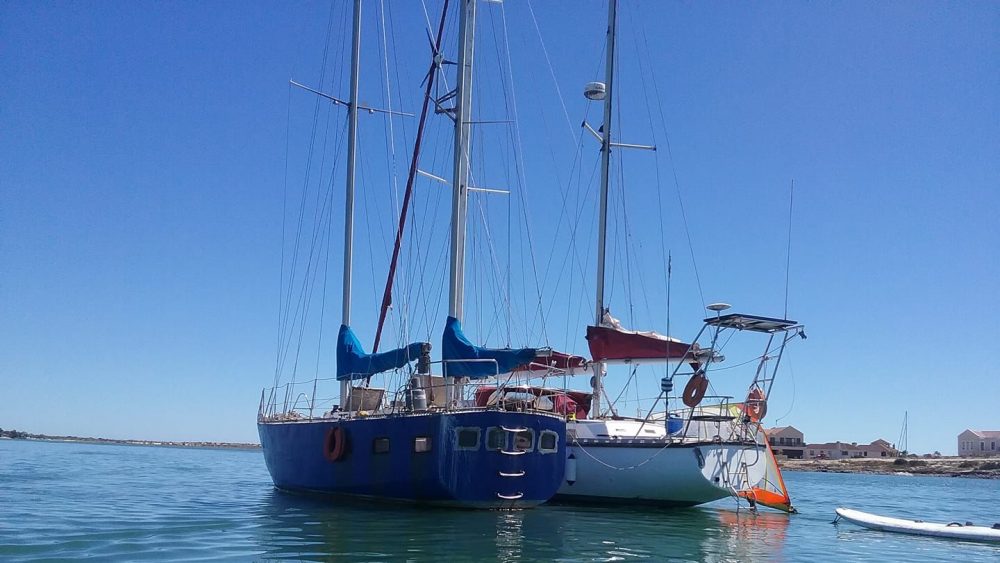
If you sail a catamaran, there’s one anchoring topic that almost everyone agrees on (which is rare in sailing 😄):Use a bridle, not a single snubber. A bridle shares the load between both hulls, reduces yawing, and gives you a quieter, more comfortable night at anchor. But simply having a bridle isn’t enough — how … Continue reading Anchor Snubber or Bridle? (And Why Length Matters More Than You Think)

Category: POSTS AND INFO
🌿 Rebuilding Trust in Your Boat After Something Goes Wrong
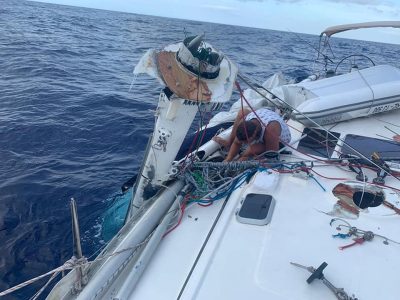
Here’s something every long-term cruiser learns eventually: Trust in your boat isn’t built once — it’s built again and again, especially after something goes wrong. A failure at sea — whether it’s losing a mast, an engine dying in a tight channel, dragging anchor in the night, or any unexpected “oh no” moment — shakes … Continue reading 🌿 Rebuilding Trust in Your Boat After Something Goes Wrong
Embracing Fear: A Sailor’s Guide to Confidence
Not everyone talks about this, but I will, because it matters: Many sailors — even very experienced ones — feel nervous at sea.And nervous sailors are not “bad” sailors.They’re thoughtful sailors.Aware sailors.Human sailors. Confidence at sea isn’t something you’re born with.It’s something you build — slowly, intentionally, and compassionately. And for those of us who … Continue reading Embracing Fear: A Sailor’s Guide to Confidence
Troubleshooting No Water from Engine Exhaust
How it works, what can go wrong, and what to do when no water is coming out the back 🚿⚓ If you’ve ever started your engine, glanced over the stern, and felt that little spike of panic when no cooling water is coming out, welcome to a rite of passage for sailors everywhere. Unfortunately for … Continue reading Troubleshooting No Water from Engine Exhaust
Cruising When Older – Our Real-Life Update (Because Yes… We Feel It Too!)
If you’ve been following along on Sailing & Sunshine, you’ll know that Captain Mike (64) and I (a very youthful 63!) have been full-time liveaboards long enough to admit… things don’t work quite the way they used to. The knees? Questionable. The memory? Patchy. The sense of adventure? Still absolutely firing.
🧰 Essential Tools and Spares Every Long-Term Cruiser Should Have on Board
Long-term cruisers must be prepared with essential tools and spare parts for safe offshore adventures. A comprehensive toolkit, power tools, plumbing essentials, electrical supplies, engine spares, rigging items, and safety gear are crucial. Proper organization ensures accessibility, promoting self-reliance at sea, ultimately leading to enjoyable cruising experiences.
What You Need to Know Before Living on a Boat
Thinking about living aboard your yacht full-time? Discover the real pros and cons of the liveaboard lifestyle—from costs and comfort to community, maintenance, and self-sufficiency—in this friendly, honest guide for aspiring full-time sailors.
Traveling with Pets: Best Practices for Life on a Boat
Living aboard with your furry first mate can be one of the greatest joys of cruising life. From playful dinghy rides to cozy anchor naps, pets bring warmth and companionship to every voyage. But keeping them happy, safe, and healthy at sea requires a little extra planning. Here’s your complete guide to training pets full-time … Continue reading Traveling with Pets: Best Practices for Life on a Boat
🏝️ The Ultimate Beach Essentials for Cruisers & Liveaboards: What to Pack for a Perfect Day Ashore
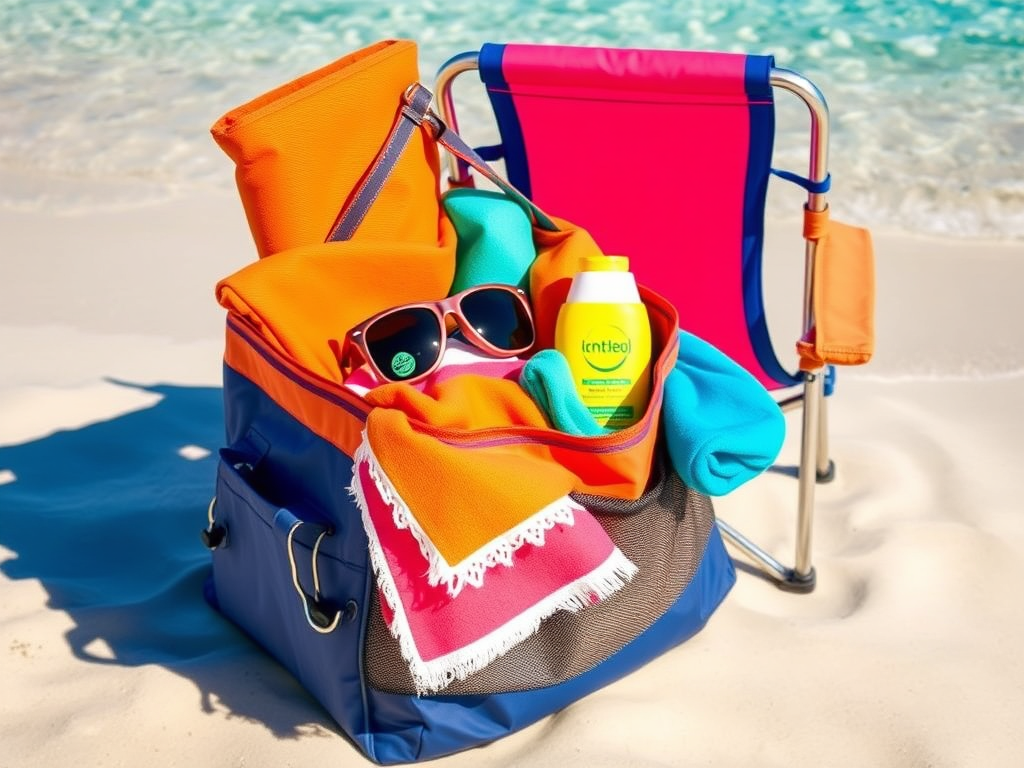
Shore days are pure gold when you live aboard or spend your days cruising. They offer a chance to stretch your legs and swim in clear water. You can also enjoy a little time off the boat. But if you've ever arrived at the beach and realized you forgot something essential, it turns relaxation into … Continue reading 🏝️ The Ultimate Beach Essentials for Cruisers & Liveaboards: What to Pack for a Perfect Day Ashore
Essential Storm Preparation for Sailors
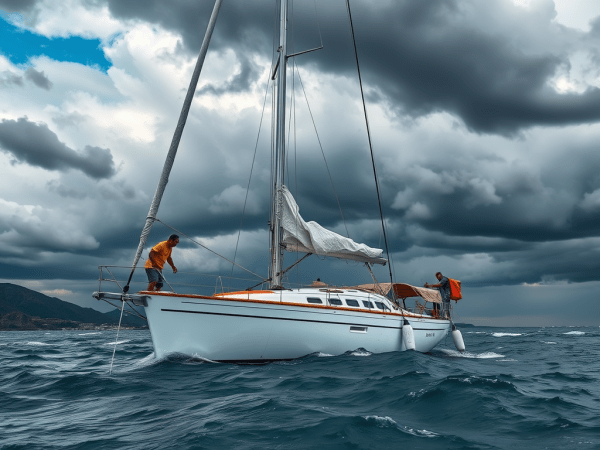
Cruisers and sailors share an unspoken bond, particularly when facing storms. As a storm approaches Saldanha Bay, preparations include securing the boat, cleaning the deck, and gathering supplies. A comprehensive checklist emphasizes safety measures and crew readiness. Staying informed and acting early can significantly enhance safety during bad weather.