
Not everyone talks about this, but I will, because it matters:
Many sailors — even very experienced ones — feel nervous at sea.
And nervous sailors are not “bad” sailors.
They’re thoughtful sailors.
Aware sailors.
Human sailors.
Confidence at sea isn’t something you’re born with.
It’s something you build — slowly, intentionally, and compassionately.
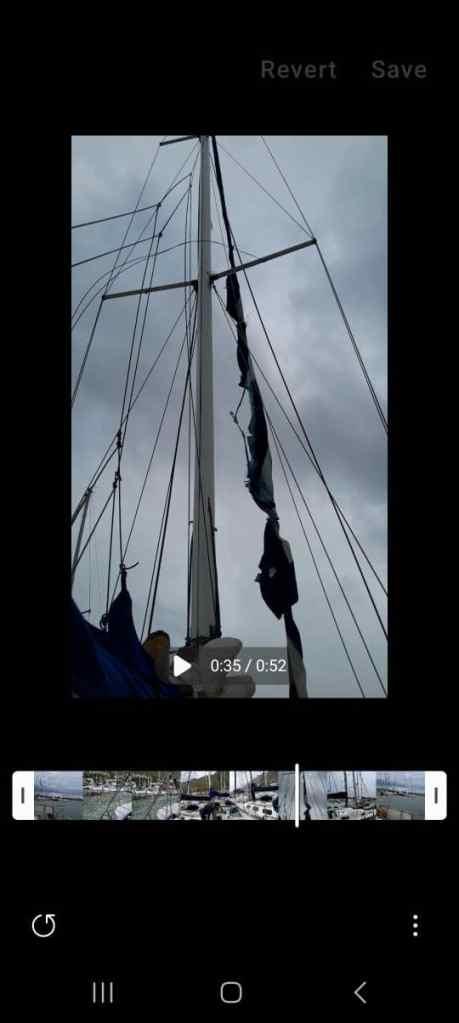
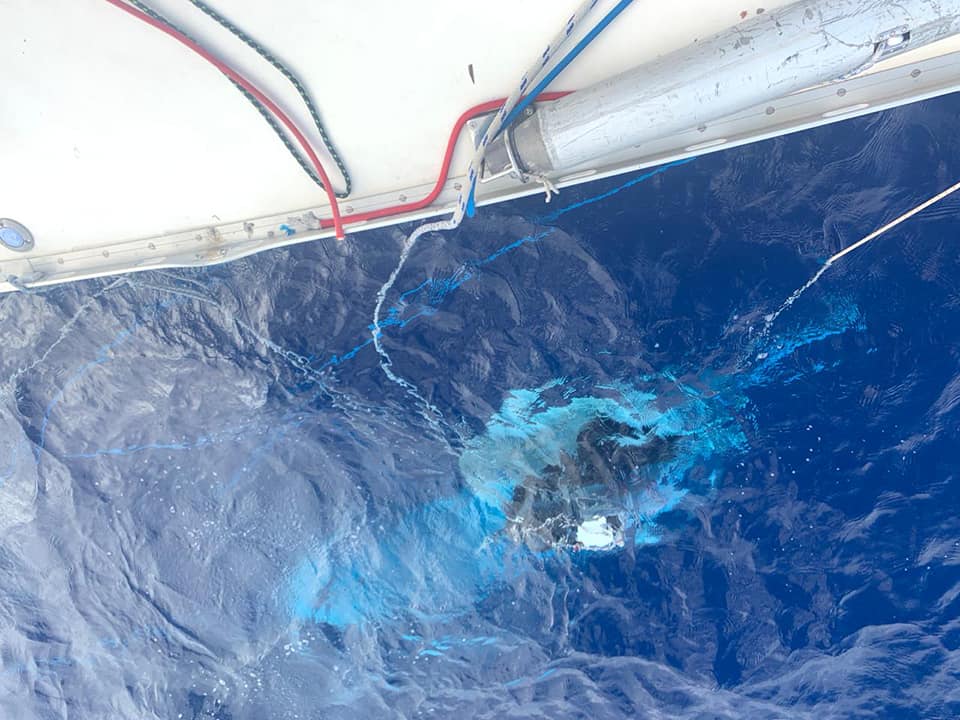
And for those of us who have faced genuine fear offshore, lost gear, lost a mast, weathered storms, or carried trauma from past passages, the journey of building confidence becomes deeply personal. Each experience affects us differently.
This post is for anyone who has ever felt their stomach tighten when the wind picks up. It is for those who second-guess themselves or quietly battle fear. Yet, they still choose to live this incredible life afloat.
You’re not alone — and you can absolutely thrive.
⚓ 1. Confidence Begins With Small, Gentle Wins
Confidence doesn’t come from doing big, scary things.
It comes from doing small, manageable things repeatedly.
Start with what feels doable:
✨ Taking the helm on a calm morning
✨ Steering for 10 minutes at a time
✨ Tying lines slowly and intentionally
✨ Practicing anchoring in perfect conditions
✨ Doing simple jobs with no pressure
✨ Checking the weather and discussing it together
Little wins build trust in your abilities.
Trust builds confidence.
Confidence builds calm.
🌞 2. Know Your “Fear Triggers” — And Name Them
Every nervous sailor has a few things that spike anxiety:
- howling wind
- heeling
- night sailing
- big swells
- being far from land
- docking
- storms due to past trauma (mast loss, mechanical failure, etc.)
Naming your triggers helps you understand yourself — and helps your partner support you.
Say it out loud:
“This is the part that scares me.”
That honesty is empowering.
It shifts fear from the shadows into the light, where it loses its power.
🌊 3. Knowledge Is Confidence’s Best Friend
The more you understand the sea, the weather, the boat, and the systems, the safer and more grounded you feel.
Try gently:
✨ Watch a few weather tutorials
✨ Learn how to read wind patterns
✨ Practice reefing early
✨ Review your safety procedures calmly
✨ Understand your instruments step-by-step
✨ Revisit what to do in common scenarios
Knowledge reduces uncertainty.
And uncertainty is what fuels fear.
You don’t have to learn everything at once — just slowly expand your comfort zone. I have learnt over the years how to “read” the clouds, it’s amazing how the knowledge seeps into your brain without even realising it. Certain cloud formations are a warning sign to get ready for, well, shit is on its way!
🌼 4. Create a Calm Ritual for When the Wind Picks Up
This is one of my favourites, especially since our mast loss trauma.
When the wind rises, my body reacts before my brain does.
That’s PTSD — not logic.
So I created a calming ritual:
✨ one slow breath in, one slow breath out
✨ grounding my feet
✨ scanning the cockpit
✨ reminding myself: “This is just wind. The boat is safe. I am safe.”
✨ looking at my partner and saying, “I’m okay.”
✨ letting myself step away for a moment if needed
A ritual gives your body something to hold onto when your mind starts to spiral.
💛 5. Sail With Someone Who Supports Your Emotional World
Confidence grows in safe environments.
Supportive sailing partners:
- explain calmly
- don’t rush you
- don’t mock your fear
- don’t shame you
- involve you at your pace
- Ask what you need
- encourage you gently
- Celebrate your progress
Cruising is a team sport.
Emotional safety is part of seamanship.
If your partner knows your fear story, they can help you write a new one.
🌬 6. Practice “Micro-Bravery”
Instead of pushing yourself into panic territory, try micro-bravery:
✨ taking the helm for one minute
✨ checking the forecast yourself
✨ doing one reef
✨ calling one piece of radio traffic
✨ steering through a mild gust
✨ going forward with a harness when calm
Each micro-brave moment teaches your brain:
“I can do this.”
Small bravery builds big confidence.
🌈 7. Celebrate Every Single Victory
Nervous sailors often dismiss their achievements:
“Oh, it was nothing.”
“It was just a short passage.”
“I only helmed for five minutes.”
“I made a mistake, so it doesn’t count.”
Stop that.
Seriously — stop diminishing your progress.
If you:
✨ helmed a little longer,
✨ breathed through a gust,
✨ stayed calm during a lumpy patch,
✨ trusted your partner,
✨ trusted yourself,
✨ kept showing up…
You deserve to celebrate that.
Confidence grows in praise, not perfection.
🌸 8. Remember: Confidence Isn’t A Destination — It’s a Relationship
Confidence is not something you “get.”
It’s something you build with yourself.
Some days you feel fearless.
Some days you feel fragile.
Some days you surprise yourself.
Some days you want to turn around and go home. (Or at the very least, go down below and shove a cushion over your eyes and ears!)
Confidence grows like this:
🌿 gently
🌿 unevenly
🌿 slowly
🌿 beautifully
If you keep showing up with honesty and willingness, you are already a confident sailor — even if you don’t feel like one yet.
🌼 Final Thoughts — You Are Braver Than You Know
You’ve survived storms.
You’ve survived fear.
You’ve survived loss.
You’ve survived moments at sea that most people will never experience.
You don’t have to be fearless to sail.
You don’t have to be perfect to thrive.
You don’t have to erase your fear to enjoy this life.
You just need to keep taking small, kind, courageous steps.
Confidence isn’t loud.
Confidence isn’t bold.
Confidence isn’t shouting over the waves.
Confidence is quiet.
It’s steady.
It’s choosing to try again tomorrow.
And you, my friend, are already doing that beautifully. And yes, so am I.
With calm seas, courage, and a grateful heart,
Nikki 🌞⛵💛
Discover more from http://www.sailingandsunshine.com
Subscribe to get the latest posts sent to your email.
 www.sailingandsunshine.com
Hi Nikki
This is fabulous, and can pretty much, with a few adaptations, be used used to embrace few in any circumstances!!
Thank you!! Love Maggie
LikeLike
Thank you Maggie xx
LikeLike