
We were lucky enough to sail in the Saronic Gulf in Greece for six months, and Hydra was one of our favourite islands.
There is something magical about the tiny island of Hydra in the Saronic Gulf of Greece.

Perhaps it is the lack of cars, motorbikes, or even bicycles which are not allowed on the island; maybe it is the tiny packed port where the yachts jostle daily to get a mooring; perhaps it is the myth of the meaning of “Hydra” – a many-headed serpent or monster in Greek mythology that Hercules slew and each head of which when cut off was replaced by two others which invoke thoughts of dragons and sea serpents.

Plus, of course, Hydra has the most spectacular sunsets in Greece, narrow cobbled streets where you can touch the houses on either side of you, the cobbled streets, and the friendliest Greeks who happily offer glorious food in family-run tavernas. Is it expensive? Slightly more so than some of the islands, but is it exclusive, charming and unique? Absolutely!
What is Hydra known for, and why should I visit it?
Hydra played a significant role in Greek history, particularly during the Greek War of Independence against the Ottoman Empire in the 19th century. The island’s fleet and naval prowess were crucial in the struggle for independence.
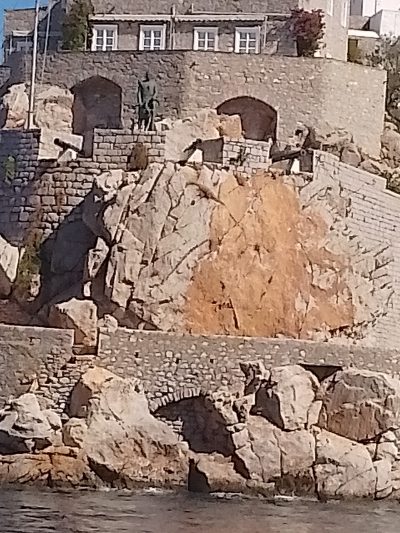
Well-preserved stone mansions and narrow cobblestone streets characterise the architecture of Hydra. The absence of cars contributes to the island’s unique atmosphere and architectural charm.
Hydra has long been a haven for artists and writers. The island’s serene landscapes and traditional ambience have inspired numerous creatives, including musicians, painters, and authors. Many art galleries and cultural events contribute to Hydra’s vibrant artistic scene.
The main port of Hydra is a bustling and scenic harbour that serves as the island’s focal point. Visitors can enjoy the waterfront cafes, restaurants, and the lively atmosphere as boats and yachts come and go. We found it very entertaining to watch the yachts fight to tie up, attached four deep at times, and always wondered how they got out of there the following day!

Hydra is known for its beautiful landscapes, including rocky shores, crystal-clear waters, and hills covered with traditional stone houses and lush greenery. The island offers hiking trails with panoramic views.
Hydra hosts various cultural events throughout the year, including art exhibitions, music festivals, and theatrical performances. These events contribute to the island’s cultural richness and attract visitors interested in the arts.
Hydra is home to historical monuments such as the Monastery of Profitis Ilias and the Cathedral of Hydra. These landmarks showcase the island’s religious and historical significance.
Hydra has a bohemian atmosphere that has attracted artists, intellectuals, and free spirits over the years. The laid-back lifestyle and the island’s natural beauty make it a favourite destination for those seeking a peaceful retreat.
Overall, Hydra is known for its rich history, unique architecture, cultural vibrancy, and timeless beauty that continues to captivate visitors from around the world.
So, how do you get there and how long do you stay?
Hydra is a popular destination that can be easily reached from Athens. Here are the common ways to get to Hydra from Athens:
Ferry from Piraeus Port:
The most common and convenient way to reach Hydra from Athens is by taking a ferry from Piraeus Port.
Piraeus is the main port of Athens, and it’s well-connected to Hydra with regular ferry services.
The ferry ride takes approximately 1.5 to 2 hours, depending on the type of ferry.
Hydra is a popular day trip destination, and several ferry companies operate on this route. Highspeed and traditional ferries are available.
Flying Dolphin (Hydrofoil):
Hydrofoils, or Flying Dolphins, are high-speed boats connecting Piraeus to Hydra.
The journey is faster than traditional ferries, which take around 1 hour but can be more expensive. I heard horror stories about seasickness on the Flying Dolphin but absolutely loved travelling on the slower ferries, enjoying the scenery while relaxed and comfortable.
Water Taxi:
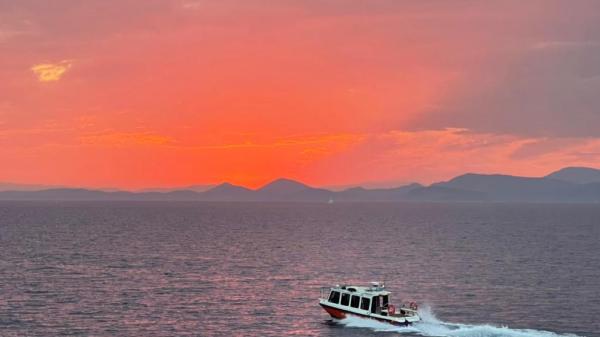
You can also hire a water taxi from Piraeus to Hydra for a more private and direct option.
Water taxis offer flexibility regarding departure times; the journey time is usually shorter than regular ferries.
Athens International Airport (Eleftherios Venizelos):
When arriving at Athens International Airport, you can take a taxi or public transportation to Piraeus Port.
You can also take a bus or the metro from the airport to Piraeus.
Once at Piraeus, follow the signs to the specific gate or terminal for Hydra-bound ferries.
Combination of Train and Ferry:
Another option is to take a suburban train (Proastiakos) from Athens to Piraeus and catch a ferry to Hydra.
The train journey from Athens to Piraeus takes about 25 minutes.
Private Yacht or Boat:
If you prefer a more luxurious or private option, you can charter a yacht or boat to take you from Athens (usually from Piraeus) to Hydra.
You could also spoil yourself and take a private one-day trip to Hydra directly from Athens.
Checking the ferry schedules in advance during peak travel seasons is essential, as they may vary.
Although you can get a good feel for Hydra in just one day, I highly recommend at least one night on this charming island. It is a short distance to visit many of the other islands.
Islands close to Hydra:
A VERY popular way of seeing Hydra is a day trip from Athens. It might seem pricey, but it is a fantastic way to kill three birds with one stone – or three islands in one day.
Poros:
Poros is located northeast of Hydra and is easily accessible by ferry. The ferry ride between Hydra and Poros takes around 20-30 minutes.
Dokos:
Dokos is a small island near Hydra, known for its archaeological sites. It is uninhabited, and boat trips to Dokos may be available for those interested in exploring its history.
Spetses:
Spetses is another famous island in the Saronic Gulf, northeast of Hydra. Ferries connect Hydra and Spetses, and the journey typically takes 1-2 hours, depending on the type of ferry.
Aegina:
Aegina is located west of Hydra and is the closest island to Athens. It’s known for its historical sites, including the Temple of Aphaia. Ferries from Hydra to Aegina take approximately 2-3 hours.
Angistri:
Angistri is a small island located between Aegina and Poros. It’s a quieter destination with beautiful beaches. Ferry connections are available, and the travel time from Hydra to Angistri is around 1-2 hours.
Agistri (Angistri):
Agistri is another small island close to Aegina and Poros. It’s known for its lush landscapes and crystal-clear waters. Ferries connect Hydra to Agistri, and the journey takes approximately 2-3 hours.
These islands are relatively close to Hydra, and ferry services are available, especially during the tourist season. The exact travel times may vary depending on the type of ferry, so it’s advisable to check the ferry schedules and plan your island-hopping itinerary accordingly.
When to visit Hydra?
Late Spring (May):
May is a fantastic time to visit Hydra. The weather is warming up, and nature is in full bloom.
The tourist season is starting, but it’s less crowded than the peak summer months.
You can enjoy pleasant temperatures and vibrant landscapes.
Early Summer (June – July):
June and July are the peak summer months, offering warm and sunny weather.
This is an ideal time for beachgoers and those looking to experience the lively atmosphere of the island.
Remember that July can be busier, especially with Greek and international tourists.
Late Summer (August – September):
Late August and September offer warm temperatures, but the island is generally less crowded than in July.
September, in particular, is a great time to visit. The weather is still pleasant, and you can avoid the peak summer crowds.
Enjoy the beaches, outdoor activities, and cultural events without the intense summer heat.
Early Autumn (October):
October marks the beginning of autumn, and while temperatures start to cool down, the weather remains generally pleasant.
It’s a quieter time on the island, making it suitable for those seeking a more relaxed atmosphere.
October is also a good time for hiking and exploring as the landscapes begin to change with the season
Here’s an approximate breakdown of the summer temperatures in Hydra:
June:
Daytime temperatures: 23-28°C (73-82°F)
Nighttime temperatures: 17-21°C (63-70°F)
July:
Daytime temperatures: 26-31°C (79-88°F)
Nighttime temperatures: 20-24°C (68-75°F)
August:
Daytime temperatures: 26-32°C (79-90°F)
Nighttime temperatures: 21-25°C (70-77°F)
September:
Daytime temperatures: 23-29°C (73-84°F)
Nighttime temperatures: 18-22°C (64-72°F)
These temperatures are approximate averages, and actual conditions may vary. Remember that Hydra has a more temperate climate than some other Greek islands, and it doesn’t operate as a year-round tourist destination. Many businesses close during the winter months. If you prefer a lively and warm atmosphere, late spring and early autumn might be the best compromise between pleasant weather and fewer crowds.

Where to stay?
Hydra offers a range of accommodation options, from charming guesthouses to upscale hotels. The best place for you to stay depends on your preferences, budget, and the experience you’re looking for. Here are some recommendations for different types of accommodations in Hydra:
Hydra Hotel:
In the heart of Hydra Town, Hydra Hotel offers comfortable rooms with traditional décor.
It provides easy access to the town’s attractions, shops, and restaurants.
The hotel has a terrace with panoramic views of the harbour.
Orloff Boutique Hotel:
Situated near the port, Orloff Boutique Hotel is known for its stylish rooms and personalised service.
The hotel features a beautiful courtyard, and some rooms have private balconies with sea views.
Bratsera Hotel:
Bratsera Hotel is a converted sponge factory offering a unique and atmospheric stay.
Located in Kamini, a quiet area just a short walk from Hydra Town, it provides a peaceful retreat.
Leto Hotel:
Leto Hotel is a family-run hotel with a central location in Hydra Town.
The rooms are comfortable, and the hotel has a terrace to enjoy breakfast with a view.
Mistral Hotel:
This boutique hotel is set in a historic mansion and offers elegant rooms with modern amenities.
It’s located near the harbour, making it convenient for exploring Hydra Town.
Hydra Icons Guest House:
Hydra Icons Guest House is a charming accommodation option with a traditional Greek design.
It’s situated in a quiet area, providing a peaceful retreat within walking distance of the town.
Letanias Guesthouse:
Nestled in the hills overlooking Hydra Town, Letanias Guesthouse offers a peaceful setting.
The rooms are tastefully decorated, and the terrace provides panoramic views.
Four Seasons Luxury Suites:
Located in the Kamini area, Four Seasons Luxury Suites offers well-appointed suites with modern amenities.
The property has a beautiful garden and a terrace for relaxation.
Piteoussa Guesthouse:
Piteoussa Guesthouse is a family-run establishment offering a warm and welcoming atmosphere.
It’s centrally located, providing easy access to the harbour and local attractions.
Miranda Hotel:
Miranda Hotel is a boutique hotel with a romantic ambience in a historic building.
It’s located near the port, making it convenient for exploring Hydra Town.
Remember that Hydra is a popular destination, especially during the summer, so booking your accommodation well in advance is advisable. Additionally, consider the location of the accommodation with your planned activities and whether you prefer a central location or a more secluded spot.
What to do in Hydra?
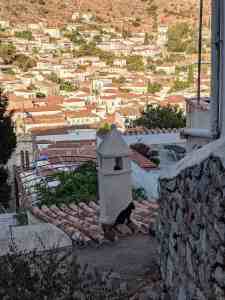
Explore Hydra Town (Chora): Wander through the narrow, cobblestone streets of Hydra Town. Admire the traditional stone mansions, visit local shops, and stop by cafes along the harbour. Naturally, the further away from the port you wander, the better value you will find.
Hydra’s Historical Archives Museum: Learn about the island’s history at the Hydra Museum Historical Archives. The museum displays documents, manuscripts, and artefacts, providing insights into Hydra’s past.
Hydra Port: Spend time at the bustling harbour of Hydra. Watch the boats and yachts, and relax at waterfront cafes or restaurants. The atmosphere is lively, especially in the evenings.
Hydra’s Beaches: Although Hydra is not known for its sandy beaches, rocky coves and clear waters are suitable for swimming. Popular spots include Mandraki and Vlychos. It is great fun to visit by Watertaxi; they are readily available and good value.
Monastery of Profitis Ilias: Hike or take a boat to visit this historic monastery on Hydra’s highest peak. Enjoy panoramic views of the island and the surrounding Aegean Sea.
Hiking Trails: Explore Hydra’s scenic landscapes and historical sites by taking one of the island’s hiking trails. The trail to the Monastery of Zourvas is a popular option.
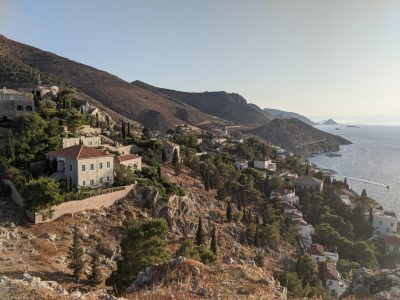
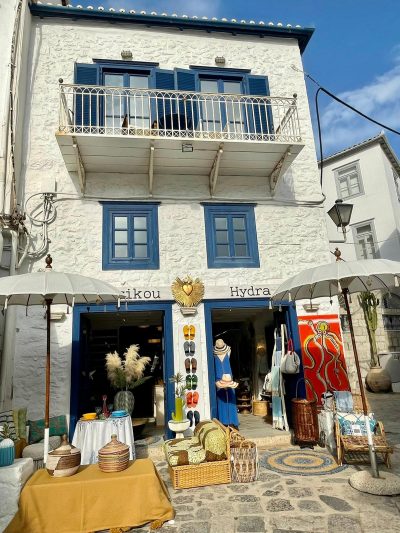
Art Galleries and Shops: Hydra has a vibrant art scene. Explore local art galleries showcasing the works of both local and international artists. Don’t forget to browse boutique shops for unique handmade crafts and souvenirs.
Historical Churches: To appreciate their architecture and historical significance, visit Hydra’s churches, such as the Cathedral of Hydra and the Monastery of the Assumption of the Virgin Mary.
Sunset Views: Enjoy breathtaking sunsets from different viewpoints on the island. The Bastions, overlooking the sea and Hydra Town, offer a picturesque setting. Book if you want to have dinner at one of the many restaurants along the elevated walk leading from the port.

Eat at Local Tavernas: Indulge in Greek cuisine at traditional tavernas. Try local specialities such as fresh seafood, moussaka, and souvlaki. As mentioned, the further you wander from the port through narrow, winding, cobbled corridors, the more chance you have of finding an authentic Greek food experience at a reasonable price.
Water Activities: Engage in water activities such as kayaking or sailing to explore the island from a different perspective.
Hydra’s Cultural Events: Check if any cultural events or festivals are happening during your visit. Hydra hosts various cultural events, including art exhibitions, music festivals, and theatrical performances.
Sidenote: We were tempted to visit Spetses, a nearby island, for the Armata Festival, which extends over the second week of September and includes mainly artistic events, such as traditional dances, theatrical performances, various exhibitions, and presentations.
This celebration reaches its highest on Saturday, when locals and visitors celebrate the anniversary of the Spetses naval battle on September 8th 1822. This battle was part of the 1821 revolution and constituted one of its most significant fights.
There are dramatisations of this victory performed by night. Real ships are used, and a model ship is built especially for the occasion, to be burnt in the sea among a massive firework display, which closes the festive week. Sadly, our timing did not work, but keep an eye out; Greece always has a lot going on!
Visit Kamini and Vlychos: Take a stroll or boat ride to the nearby villages of Kamini and Vlychos for a quieter atmosphere and local charm.
Hiking in Hydra:
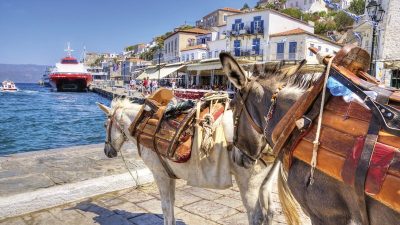
Being such a small island with no transport apart from some festively decorated yet weary-looking donkeys, walking is your only option; pack those comfortable shoes and get active.
Hydra Town to Kamini:
A pleasant coastal walk from Hydra Town to the small fishing village of Kamini offers stunning views of the sea and the island. Along the way, you can explore the beautiful landscapes and traditional architecture.
Hydra Town to the Monastery of Zourvas:
This trail takes you from Hydra Town to the Monastery of Zourvas, located on a hill overlooking the island. The hike provides panoramic views of Hydra and the surrounding Aegean Sea.
Hydra Town to Vlychos and Palamidas:
This trail leads you to the beaches of Vlychos and Palamidas. The path takes you through olive groves and offers a peaceful escape from the bustling town.
Hydra Town to Mandraki Beach:
Hiking to Mandraki Beach allows you to enjoy a scenic route and reach one of the island’s beaches. Mandraki is known for its crystal-clear waters and is an excellent spot for swimming and relaxation.

Side note: It is a good spot for visiting yachties if you get there early enough and have a long line to shore. Be careful of crossed anchors as more and more yachts squeeze their way in, and there are a lot of old chains on the seabed. We used Soupia, behind Laguna Rock, to anchor and used water taxis to and from Hydra (very exciting!)
Hydra Town to Eros Beach:
This trail leads to Eros Beach, a secluded spot on the island. The route takes you through pine forests and offers a more off-the-beaten-path experience.
Hydra Town to Episkopi:
This trail takes you to the ruins of the Episkopi Monastery. Along the way, you’ll encounter various landscapes, from rocky hills to lush valleys.
Circular Route: Hydra Town – Profitis Ilias Monastery – Kala Pigadia – Hydra Town:
This circular route combines several trails, taking you to the Profitis Ilias Monastery and Kala Pigadia, a series of small bays with crystal-clear waters.
Before embarking on a hike, it’s essential to wear appropriate footwear, bring sufficient water, and check the weather conditions. Hydra’s landscape can also be hilly, so some trails may involve elevation changes. Hiking on Hydra allows you to experience the island’s beauty at a leisurely pace, providing a different perspective compared to other modes of transportation. (Well, there aren’t any!)
Where can I swim?
The island offers several spots to enjoy the crystal-clear waters of the Aegean Sea. While Hydra is not typically known for its sandy beaches, its numerous rocky coves and small bays provide excellent swimming opportunities. Here are some popular spots for swimming on Hydra:
Mandraki Beach:
Mandraki Beach is one of the accessible beaches on Hydra, known for its pebbles and clear waters. It’s a popular spot for swimming and relaxing by the sea. A hotel and a beach bar/restaurant provide food and drinks.
Vlychos Beach:
Vlychos is another beach close to Hydra Town that you can reach by a short walk or water taxi. The beach offers a tranquil setting and is suitable for swimming and sunbathing.
Palamidas Beach:
Palamidas Beach is located near Vlychos and is known for its peaceful atmosphere. It’s a great place to unwind and enjoy the sea.
Eros Beach:
Eros Beach is a secluded spot accessible by a hiking trail. The beach is known for its clear waters, making it a fantastic destination for a more secluded swim.
Kamini Beach:
Kamini is a small fishing village with a pebble beach. It’s a quieter area compared to Hydra Town and offers a charming spot for swimming.
Agios Nikolaos Beach:
Agios Nikolaos Beach is situated near the town and is a popular spot for locals and visitors. The beach has clear waters, and you can enjoy swimming with a view of the picturesque town.
Bisti Beach:
Bisti Beach is a rocky cove accessible by boat or on foot. It’s a more secluded spot, perfect for those looking for a quieter swimming experience.
Remember that Hydra’s beaches may have pebbles or rocks instead of sand, so it’s a good idea to bring suitable footwear for entering the water.
Leonard Cohen and Hydra:
In the early 1960s, Leonard Cohen travelled to Hydra, seeking a creative retreat and a break from his life in Montreal. He rented a simple house on the island, and the tranquil surroundings deeply influenced his work.
Cohen spent considerable time on Hydra during the 1960s and 1970s. The island’s bohemian atmosphere, the absence of cars, and the artistic community attracted him.
Hydra served as a source of inspiration for some of Cohen’s most celebrated works. While on the island, he wrote many songs and poems, including later pieces in his books and albums.
The house Cohen rented on Hydra, known as the “Cohen House,” became a place of creativity. Some songs written during this period include “Bird on the Wire” and “Suzanne,” which later became iconic pieces in Cohen’s repertoire. If you have the energy, you can take a ten-minute walk from the sea, up several flights of steep and winding alleys to see his three-storey whitewashed home.
Cohen lived on Hydra with his then-partner, Marianne Ihlen. Their relationship and experiences on the island are immortalised in his song “So Long, Marianne.”
The island’s landscapes, the Mediterranean atmosphere, and the artistic community left an indelible mark on Cohen. Hydra is often mentioned in his works as a place of introspection, inspiration, and creative exploration.
Cohen’s time on Hydra also deepened his connection to Greek culture. He embraced the local lifestyle, and the island’s beauty became a backdrop for his creative process.
Leonard Cohen’s association with Hydra left an enduring impact on his life and work. The island’s influence can be seen in many of his songs and poems’ themes, lyrics, and atmosphere. Today, Hydra is sometimes referred to as “Leonard Cohen’s Hydra” due to his lasting imprint on the island’s cultural and artistic heritage.
Side Note (in case you’re interested) of other well-known artists who love/d Hydra:
Sophia Loren:
The iconic Italian actress Sophia Loren visited Hydra during the filming of “Boy on a Dolphin” in 1957. The film showcased the island’s beauty and contributed to its cultural and cinematic history.
Brigitte Bardot:
The French actress and international sex symbol Brigitte Bardot visited Hydra in the 1950s. Her stay on the island added to its allure as a glamorous destination.
Melina Mercouri:
The Greek actress and politician Melina Mercouri had a summer house on Hydra. She was a prominent figure in Greek cinema and served as the Minister of Culture in Greece.
John Gielgud:
The renowned British actor John Gielgud also spent time on Hydra. His connection to the island added to its reputation as a retreat for artists and intellectuals.
Henri Cartier-Bresson:
The influential French photographer Henri Cartier-Bresson visited Hydra, capturing images that showcased the island’s beauty and local life.
Mick Jagger and Keith Richards:
Members of The Rolling Stones, Mick Jagger and Keith Richards, were spotted on Hydra during the 1960s. The island’s bohemian atmosphere attracted many artists of the time.
Greta Garbo:
The legendary Swedish-American actress Greta Garbo also visited Hydra. Her stay on the island contributed to its allure as a glamorous and exclusive destination.
Pablo Picasso:
The renowned Spanish painter Pablo Picasso visited Hydra, adding to the island’s artistic legacy. Although his stay was relatively short, the island’s bohemian atmosphere impressed him.
George Johnston and Charmian Clift:
The Australian writers George Johnston and Charmian Clift moved to Hydra in the 1950s. They became part of the island’s expatriate community and documented their life in the memoir “The Seekers.”
Henry Miller:
The American writer Henry Miller visited Hydra and wrote about his experiences on the island. His stay is documented in his work “The Colossus of Maroussi.”
Henri Cartier-Bresson:
The influential French photographer visited Hydra, capturing images that showcased the island’s beauty and local life. His photographic work on Hydra is highly regarded.
Odysseas Elytis:
The Greek poet and Nobel laureate Odysseas Elytis spent time on Hydra. His connection to the island is reflected in some of his poetry.
Giorgos Seferis:
Giorgos Seferis, another Greek poet and Nobel laureate, had connections to Hydra. His poetry often reflects his love for the Greek landscape and islands.
Maurice Ravel:
The French composer Maurice Ravel visited Hydra during the 1920s. It is said that he found inspiration for his work “Boléro” while on the island.
Jules Dassin and Melina Mercouri:
The American film director Jules Dassin and the Greek actress and politician Melina Mercouri had a summer house on Hydra. Their presence added to the island’s cultural and artistic appeal.
These artists, among others, found Hydra to be a source of inspiration, creativity, and a haven for artistic expression. The island’s cultural heritage is deeply intertwined with the contributions of the creative minds who have been connected to Hydra over the years.
We hope we helped with our information about Hydra, drop us a line if you have any questions. We hope you love the island as much as we did!
Captain Mike and Nikki.
Discover more from http://www.sailingandsunshine.com
Subscribe to get the latest posts sent to your email.
 www.sailingandsunshine.com